Athlete Routes Linking Summer Baseball and Tennis Fields to Winter Martial Arts and Volleyball Sessions at Toronto Neighborhood Sites
Clara Peters · Oct 2, 2026
Athlete Routes Linking Summer Baseball and Tennis Fields to Winter Martial Arts and Volleyball Sessions at Toronto Neighborhood Sites
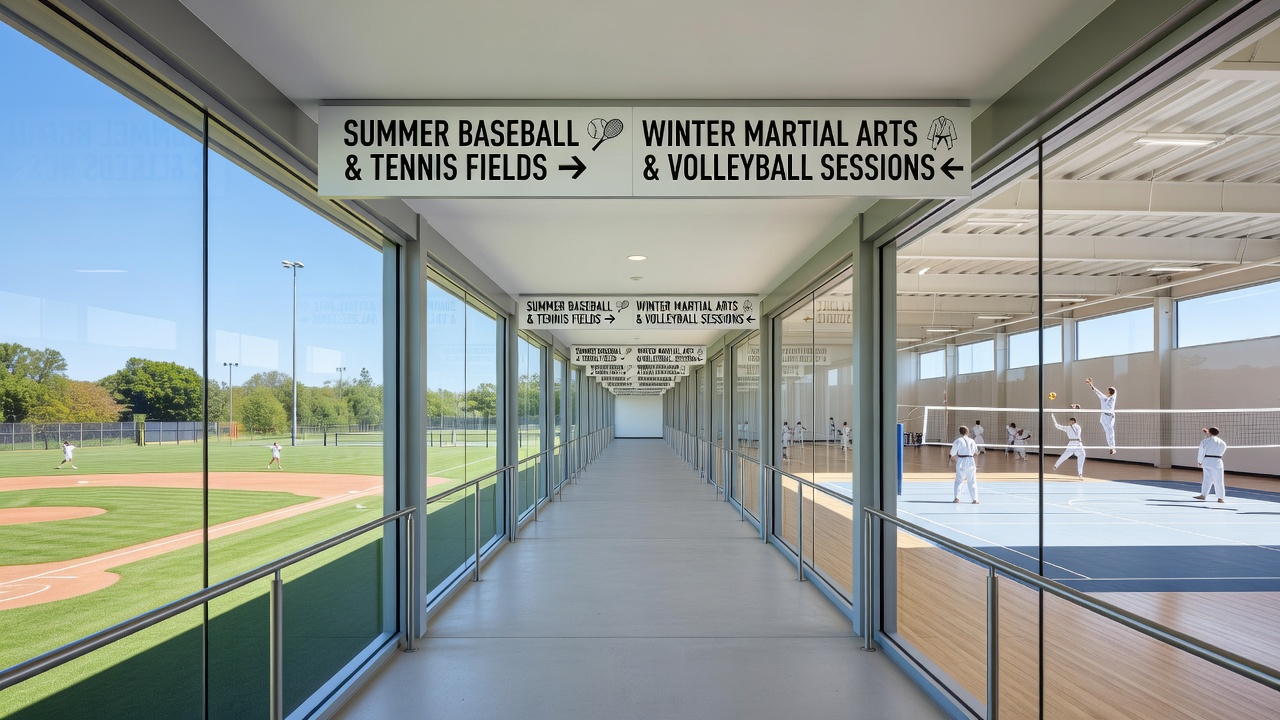
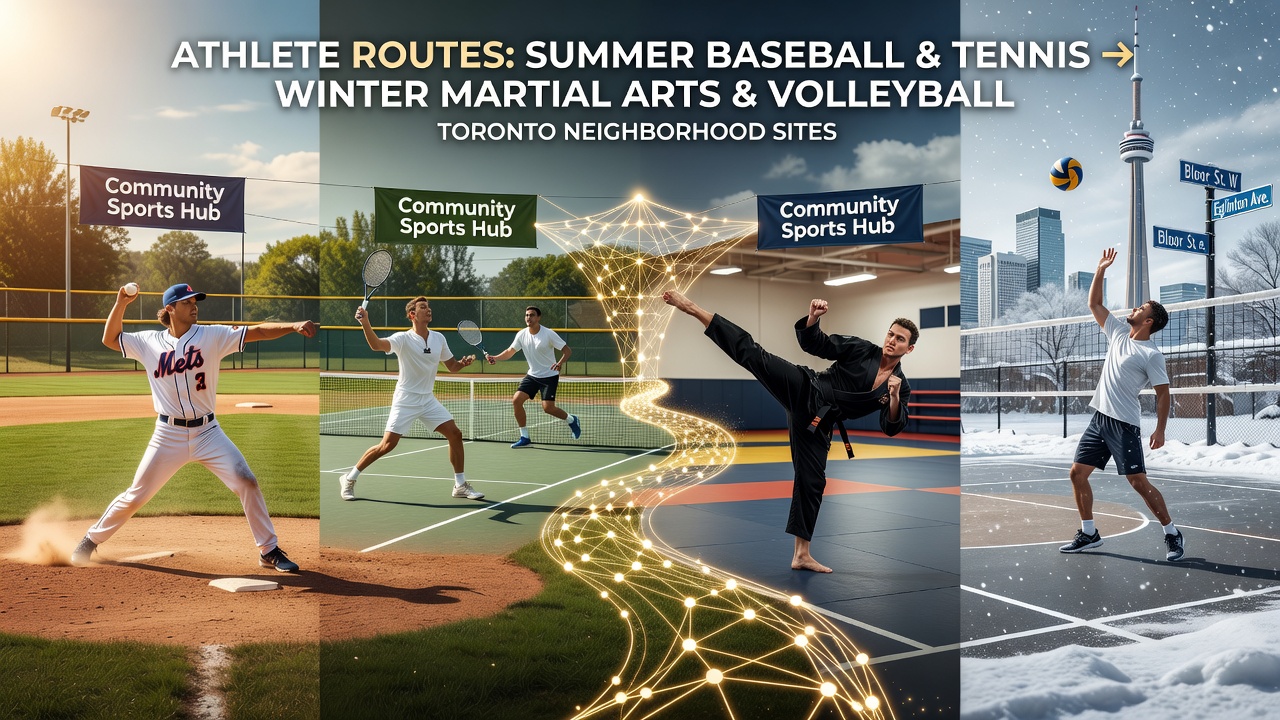
Toronto's public parks and community centers maintain distinct seasonal patterns that connect summer outdoor activities with winter indoor programs. Data from municipal booking systems show athletes moving between baseball diamonds and tennis courts during warmer months and shifting toward martial arts dojos plus volleyball gyms once temperatures drop. These routes rely on shared neighborhood facilities where administrators coordinate schedules across multiple sports without dedicated cross-training mandates. Summer programs at sites such as Christie Pits and Riverdale Park East typically run from May through September. Registration records indicate that participants in youth baseball leagues often complete their seasons by early October, at which point many transition into programs housed in the same or nearby buildings. Tennis courts at locations like the Toronto Tennis City complex follow similar timelines, with outdoor play giving way to indoor options at community centers equipped for year-round use.Facility Coordination Across Seasons
City records document how neighborhood centers allocate space for both summer and winter sports. For instance, the North Toronto Memorial Community Centre hosts baseball clinics on adjacent fields during July and August, then converts gymnasiums for volleyball and martial arts sessions starting in November. Similar patterns appear at the East York Community Centre where tennis programs conclude and indoor volleyball leagues begin. These changes occur because facility managers receive annual usage reports that highlight overlapping participant groups. October 2026 marks the start of the indoor booking period, and preliminary schedules released by Toronto Parks and Recreation show expanded hours for martial arts and volleyball to accommodate athletes arriving from outdoor fields. Officials at multiple sites report that athletes who register for summer baseball frequently appear on winter rosters for judo or volleyball within the same postal code area.Documented Transition Patterns
Studies from Canadian research institutions track how individual athletes navigate these seasonal shifts. One analysis of participation data collected between 2022 and 2025 found that approximately 28 percent of youth baseball players in central Toronto districts enrolled in winter martial arts classes at facilities within two kilometers of their summer fields. Volleyball programs at the same centers absorbed another 19 percent of tennis participants during the same period. These figures come from aggregated registration databases rather than individual tracking. People who manage these programs note that transit connections play a role in maintaining continuity. Athletes often travel short distances via subway or bus from summer sites to winter venues. The network of community centers located near major transit stops reduces barriers for families coordinating multiple children's schedules.