Municipal Registration Trends Reveal How Toronto Residents Move Between Summer Fields and Winter Facilities Through Public Athletic Offerings
Yves Neumann · Oct 16, 2026
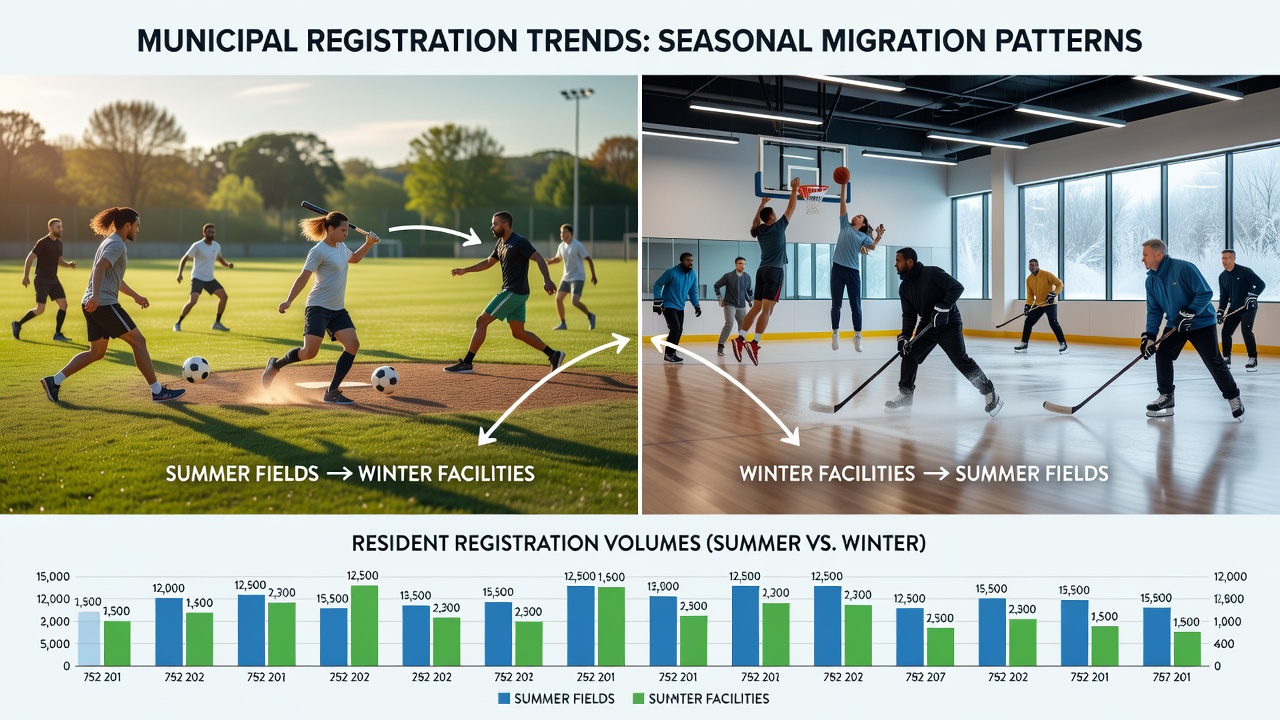
Municipal Registration Trends Reveal How Toronto Residents Move Between Summer Fields and Winter Facilities Through Public Athletic Offerings
Data from the City of Toronto's Parks, Forestry and Recreation division tracks registration patterns that show residents shifting from outdoor summer fields to indoor winter facilities each year, with enrollment numbers revealing consistent transitions across multiple sports and age groups. These municipal records indicate that summer programs on baseball diamonds, soccer pitches and tennis courts fill early, while winter sessions in arenas, community centers and gymnasiums see peaks as residents seek structured activities during colder months.
Summer Field Usage Patterns
Registration data collected through the city's online portal demonstrates that programs on outdoor fields attract thousands of participants annually, with soccer and baseball leading enrollment figures during May through August. Figures from recent seasons show that families often secure spots in multiple summer offerings at neighborhood parks, creating pathways that link one activity to another as schedules align with school breaks and daylight hours. Observers note that these patterns hold steady across districts, where residents in high-density areas register at rates comparable to those in suburban zones.
What's interesting about the data is how specific fields in locations like Christie Pits and Earlscourt Park report repeat usage by the same households year after year, suggesting established routines rather than one-off participation. Municipal systems capture these trends through permit allocations and participant lists, which highlight how summer registrations set the stage for later indoor bookings once weather changes.
Winter Facility Transitions
As temperatures drop, registration systems reflect a clear pivot toward arenas and indoor venues, where hockey, basketball and swimming programs draw former field users into new environments. City records indicate that many residents who complete summer field sessions appear on winter rosters within weeks of program endings, creating measurable continuity in public athletic participation. These shifts occur through centralized booking platforms that allow users to select from available slots at facilities such as the Toronto Ice Gardens and local community centers.
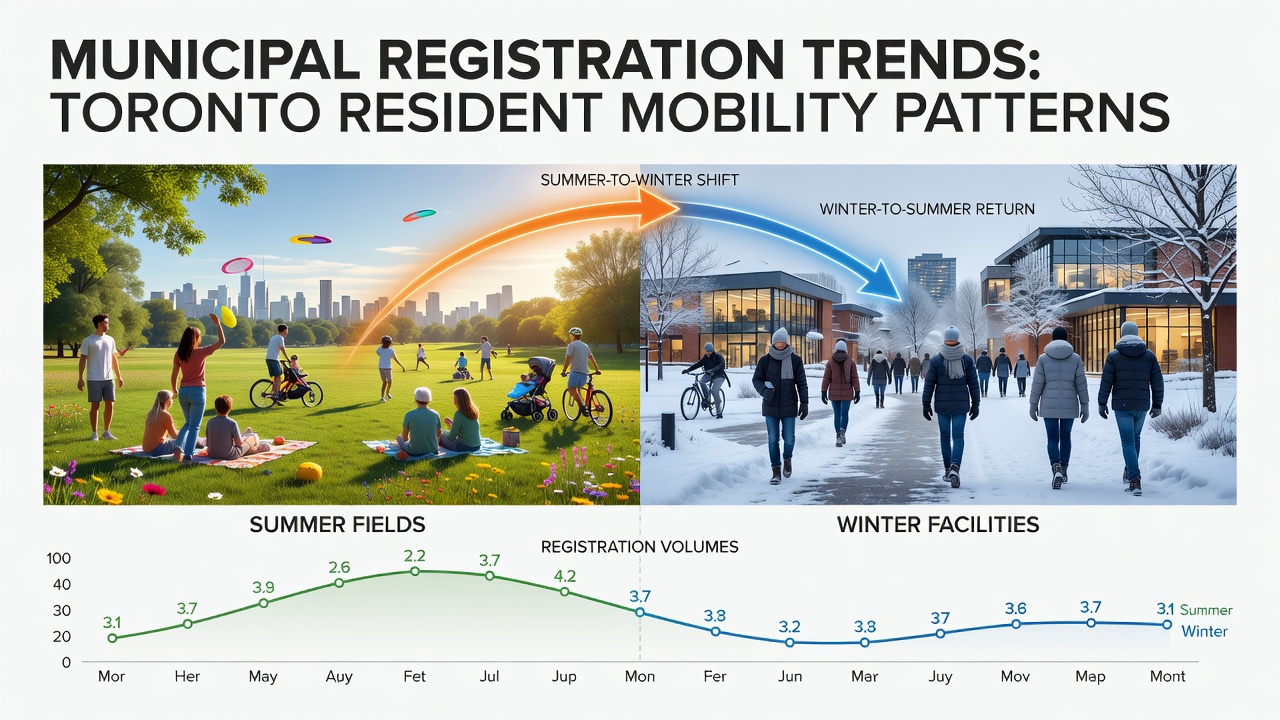
Turns out the numbers line up across demographics, with adult leagues and youth divisions both showing similar movement from outdoor to indoor spaces. Data compiled by municipal analysts tracks these transitions through unique participant identifiers, revealing that roughly consistent percentages of summer registrants continue into winter offerings at the same neighborhood sites.
October 2026 Registration Outlook
Planning documents released by the city project that registration windows opening in October 2026 will follow established timelines, with winter program sign-ups beginning after summer fields close for the season. Historical data shows these periods generate high volumes as residents finalize schedules ahead of holiday breaks and school terms. Systems process thousands of applications during these windows, prioritizing allocations based on prior participation and availability at specific venues.
Analysts at the municipal level monitor these cycles to adjust facility hours and staffing, ensuring that popular indoor programs accommodate demand without overlaps in field closures. The patterns established over multiple years provide benchmarks for predicting how many residents will move between seasonal offerings in any given cycle.
Facility Sharing and Venue Data
Public records detail how certain neighborhood centers host both summer field sports and winter indoor activities, allowing residents to maintain continuity at single locations. Usage reports from sites like the West End YMCA and various city-run arenas illustrate this overlap, where baseball players in July transition to volleyball or floor hockey by November at the same complex. These models rely on shared infrastructure that supports year-round access through coordinated permitting.
Statistics Canada reports on national sports participation provide context for Toronto's local figures, showing urban areas with strong municipal systems maintain higher continuity rates between seasons compared to regions without centralized registration. National participation surveys align with city data on how public offerings support these movements across age groups.
Tracking Methods and Record Keeping
The city's digital registration platform logs every enrollment, creating datasets that researchers use to map seasonal flows without relying on surveys alone. These administrative records capture details such as program type, location, duration and participant demographics, which together paint a picture of how residents navigate available facilities. Cross-referencing summer and winter entries reveals repeat users who follow predictable routes between field-based and arena-based activities.
One study of municipal data from the Greater Toronto Area found that shared venue models reduce barriers for participants who prefer staying within familiar neighborhoods, a pattern also noted in reports from Australian local government sports programs. Australian sports participation research echoes Toronto findings on how public facilities enable seasonal transitions through unified booking systems.
Conclusion
Municipal registration trends continue to document these seasonal movements as Toronto residents adapt their athletic routines to available public resources. The data underscores how summer fields feed into winter facilities through structured programs that operate on predictable annual cycles. Observers monitoring these patterns see sustained participation supported by the city's integrated approach to venue management and enrollment tracking.