Toronto's Data Logs Uncover How Public Coaching Clinics Adapt Football Tackling Drills to Refine Volleyball Blocking Stances Year-Round at Shared Indoor Sites
Clara Peters · Oct 30, 2026
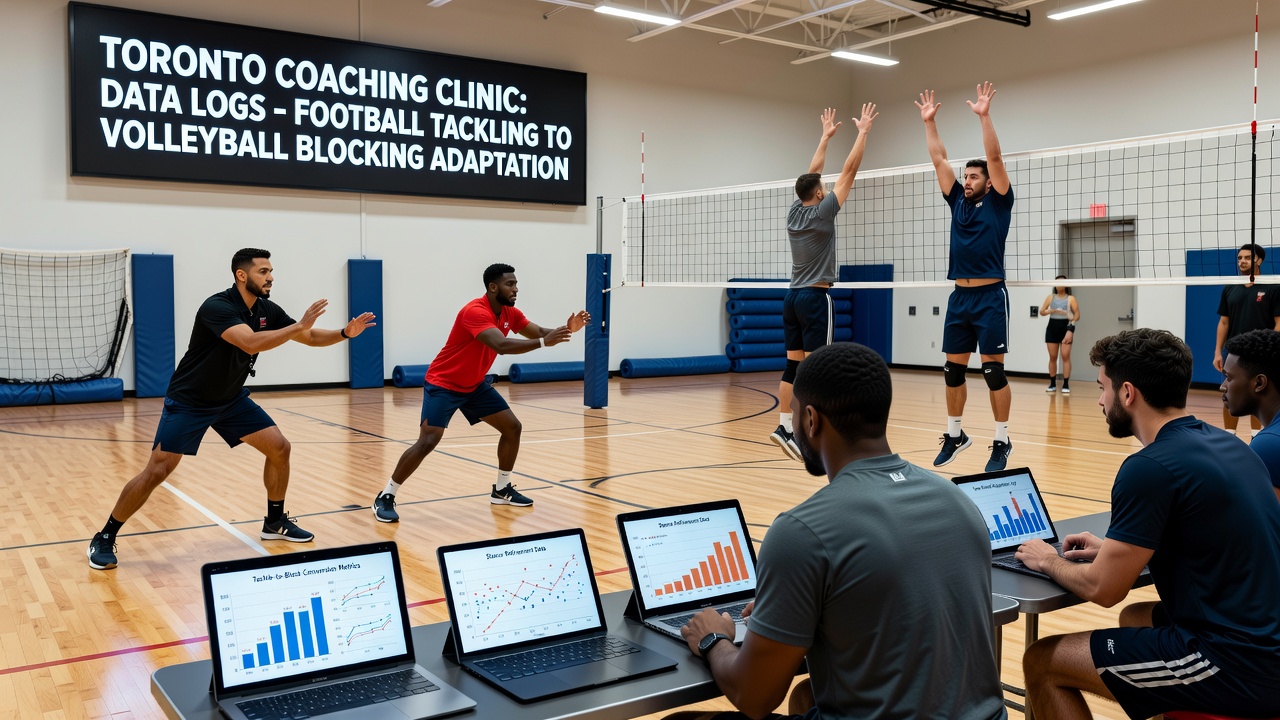
Toronto's Data Logs Uncover How Public Coaching Clinics Adapt Football Tackling Drills to Refine Volleyball Blocking Stances Year-Round at Shared Indoor Sites
Data logs maintained by Toronto's municipal recreation department reveal consistent patterns of drill adaptation at public indoor venues where football and volleyball programs share space throughout the calendar year, and these records track session attendance, equipment usage, and coaching notes from multiple community centers.
Records from facilities such as the Toronto Track and Field Centre and local arenas show that coaching staff integrate elements of football tackling form into volleyball blocking instruction, particularly during shoulder seasons when outdoor fields become unavailable, while session timestamps indicate these combined activities occur on weekday evenings and weekend mornings across several neighborhoods.
Facility Sharing Patterns in Municipal Records
City data compiled through registration systems and access logs document how indoor sites accommodate both sports without dedicated scheduling conflicts, and analysts note that football coaches often lead warm-up segments that emphasize low center of gravity and explosive drive steps before transitioning athletes to net-based blocking repetitions. These logs further indicate that volleyball instructors incorporate footwork cues drawn from tackling progressions, such as short choppy steps and hip alignment, to improve lateral movement during block jumps.
October 2026 entries in the system highlight a spike in combined sessions at three primary locations, where total participant hours reached levels comparable to peak winter months, and cross-referenced equipment checkout data shows repeated use of tackling pads alongside volleyball net standards within the same two-hour blocks.
Drill Adaptation Details from Coaching Documentation
Coaching notes attached to the data logs describe specific modifications, including the use of football's form tackling posture to stabilize volleyball athletes during approach steps, while balance drills that simulate contact absorption help refine hand positioning at the net. Observers note that these adaptations appear in group sessions attended by athletes aged 12 to 18, with attendance figures remaining steady from fall through spring.
One documented sequence begins with athletes practicing drive steps against padded bags before immediately rotating to blocking footwork at the net, and the logs record average session durations of 90 minutes with minimal transition time between segments. Similar patterns repeat at additional sites, suggesting standardized approaches developed through shared staff training rather than isolated initiatives.
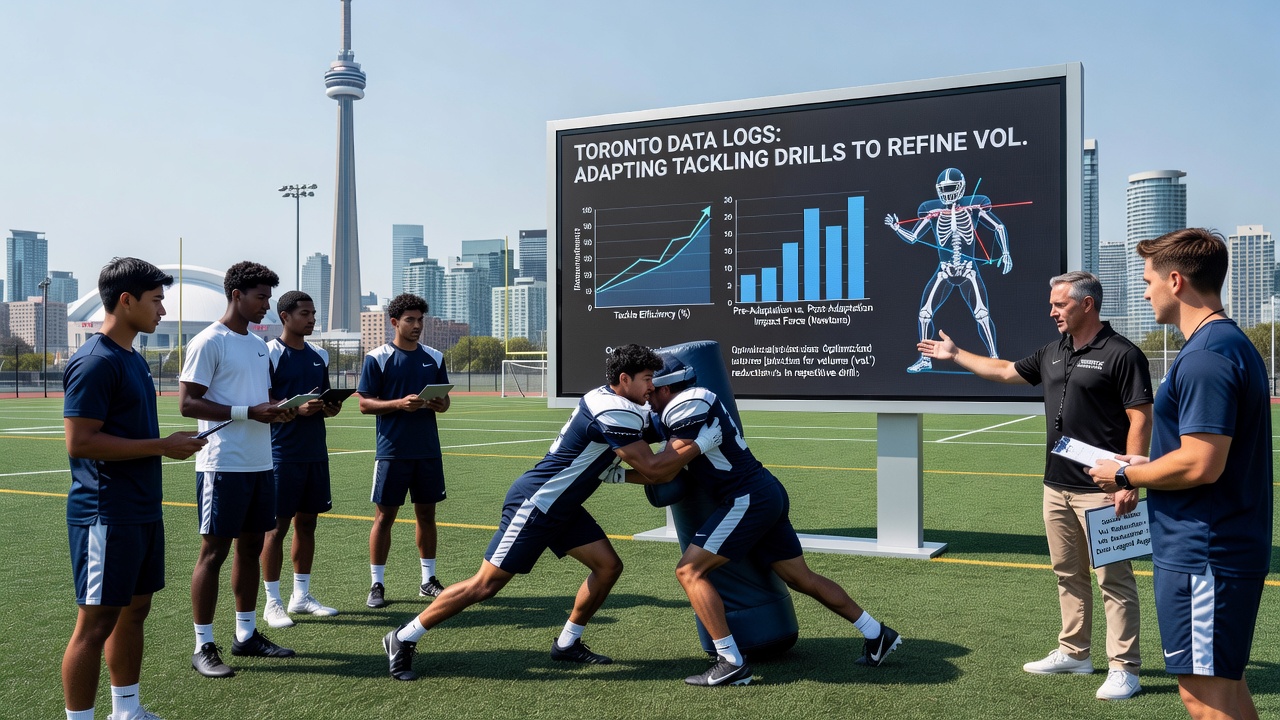
Further analysis of the logs shows that programs operating at these shared venues maintain consistent ratios of football-derived movement drills to traditional volleyball blocking sets, and the data points to higher repetition counts in lateral stability exercises during periods when both sports run concurrently indoors.
Year-Round Scheduling and Participation Trends
Year-round operation becomes evident when comparing monthly utilization rates across the dataset, as indoor volleyball blocks extend into months traditionally reserved for football while football elements persist through summer programs housed in the same climate-controlled spaces. Participation metrics indicate that athletes who register for one sport frequently appear in the other's session logs within the same season, creating overlapping training histories tracked through unique identification numbers.
City reports on facility bookings confirm that community centers allocate multi-purpose gymnasiums for these dual-purpose clinics without requiring separate permits, and the pattern holds across east, west, and north Toronto locations where demand for indoor training remains elevated regardless of outdoor weather conditions.
Broader Context from Related Municipal Data
According to City of Toronto recreation planning documents, shared venue models support multiple team sports through flexible programming that maximizes limited indoor square footage, and these approaches align with observed adaptations in the coaching logs. Additional context comes from studies on cross-training published by academic institutions, including research from the University of British Columbia that examines movement transfer between contact and non-contact sports in controlled environments.
The logs also capture equipment rotation schedules that support both tackling simulations and blocking setups within single sessions, reducing downtime and allowing coaches to maintain continuous activity flow for groups of varying sizes. These operational details contribute to the overall picture of efficient resource use documented across multiple years of data collection.
Conclusion
Municipal data logs therefore provide a clear record of how public coaching clinics at shared indoor sites systematically blend football tackling mechanics with volleyball blocking instruction on a year-round basis, and the patterns emerge through consistent session structures, participant tracking, and facility utilization metrics rather than isolated events. This documentation continues to inform scheduling decisions at Toronto's community centers as demand for multi-sport indoor access persists.