Toronto's Municipal Records Trace Athlete Shifts Between Ball Diamonds, Rinks, and Training Mats at Neighborhood Sites
Katja Simmons · Sep 18, 2026
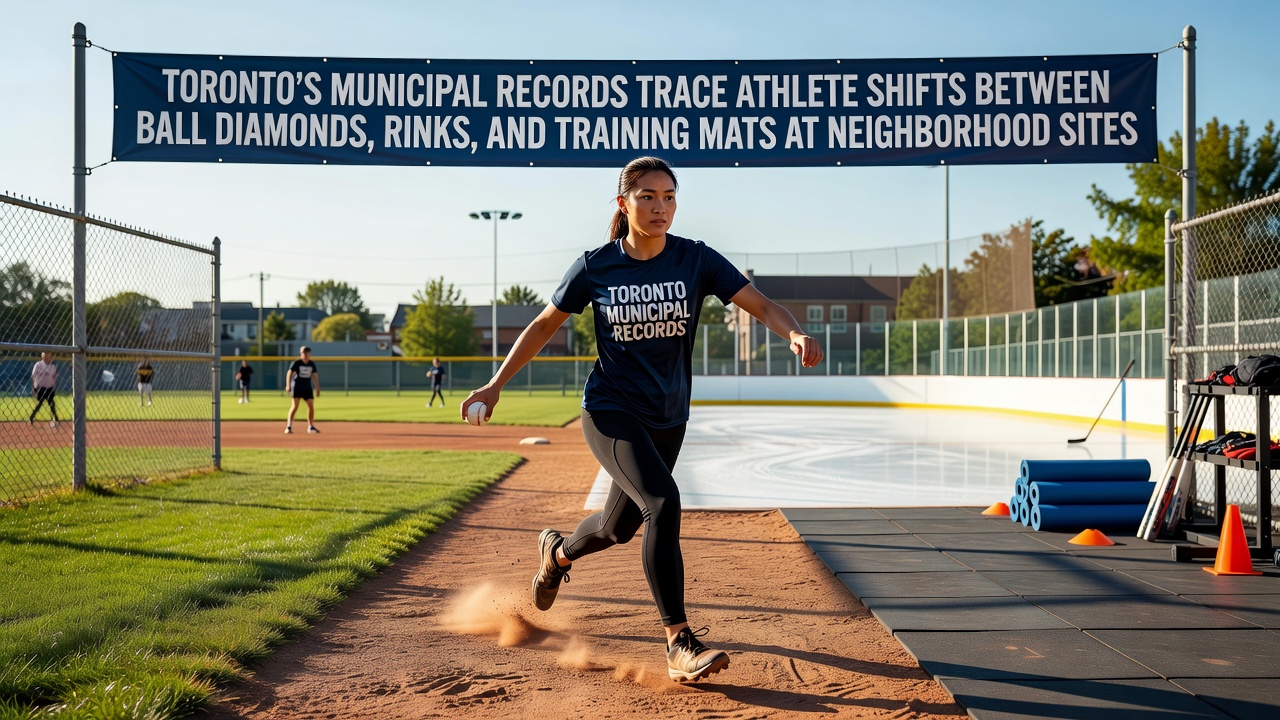
Toronto's Municipal Records Trace Athlete Shifts Between Ball Diamonds, Rinks, and Training Mats at Neighborhood Sites
Toronto municipal records document patterns of athlete movement across ball diamonds, ice rinks, and training mats located at neighborhood parks and community centers, with booking data and permit logs showing how individuals and teams rotate between these venues throughout the year. City databases capture facility reservations that reveal athletes often schedule sessions on baseball or softball fields during warmer months, then transition to indoor rinks for hockey or skating activities once temperatures drop, while training mats at the same sites host year-round sessions for activities like gymnastics and martial arts. These records, maintained through the city's parks and recreation division, track usage by permit holders and program participants, creating a detailed map of cross-facility participation that spans multiple sports without requiring travel between distant locations.
Facility Booking Data Reveals Consistent Rotation Patterns
Analysis of permit applications and usage logs from Toronto's neighborhood sites indicates that many athletes secure time slots at ball diamonds in spring and summer, followed by shifts to rinks in fall and winter, with training mats serving as consistent spaces for skill development across seasons. Records show groups reserving multiple venue types under single organizational permits, allowing teams to maintain training continuity while adapting to weather and facility availability. Data compiled through September 2026 continues to highlight these rotations, as updated digital systems integrate real-time booking information from parks across the city and provide clearer pictures of how athletes balance outdoor field sports with indoor ice and mat activities at shared locations.
Neighborhood Centers Support Multi-Venue Access
Community centers in areas such as North York, Etobicoke, and Scarborough operate ball diamonds alongside rinks and training areas, and municipal records confirm that permit data often lists the same athletes or teams moving between these adjacent spaces on the same day or within short time frames. Staff at these sites log entries that link field bookings to rink sessions and mat reservations, demonstrating how physical proximity encourages participation in varied activities without additional commuting. City reports note that shared parking and entrance systems at these integrated facilities streamline transitions, while maintenance schedules for diamonds, ice surfaces, and mats are coordinated to minimize downtime for users who rely on sequential access.
Tracking Systems and Digital Integration
The city's open data portal supplies anonymized datasets that researchers and planners use to examine athlete flow between venue types, with statistics showing peak overlaps during shoulder seasons when ball diamond use declines and rink bookings increase. According to information from the City of Toronto open data portal, permit records from recent years include timestamps that allow mapping of daily and weekly movements, revealing clusters of activity at specific neighborhood hubs where diamonds, rinks, and mats operate in close range. These systems also record cancellations and rescheduling that often occur when athletes adjust plans between outdoor and indoor options, providing further evidence of flexible participation patterns across facility types.
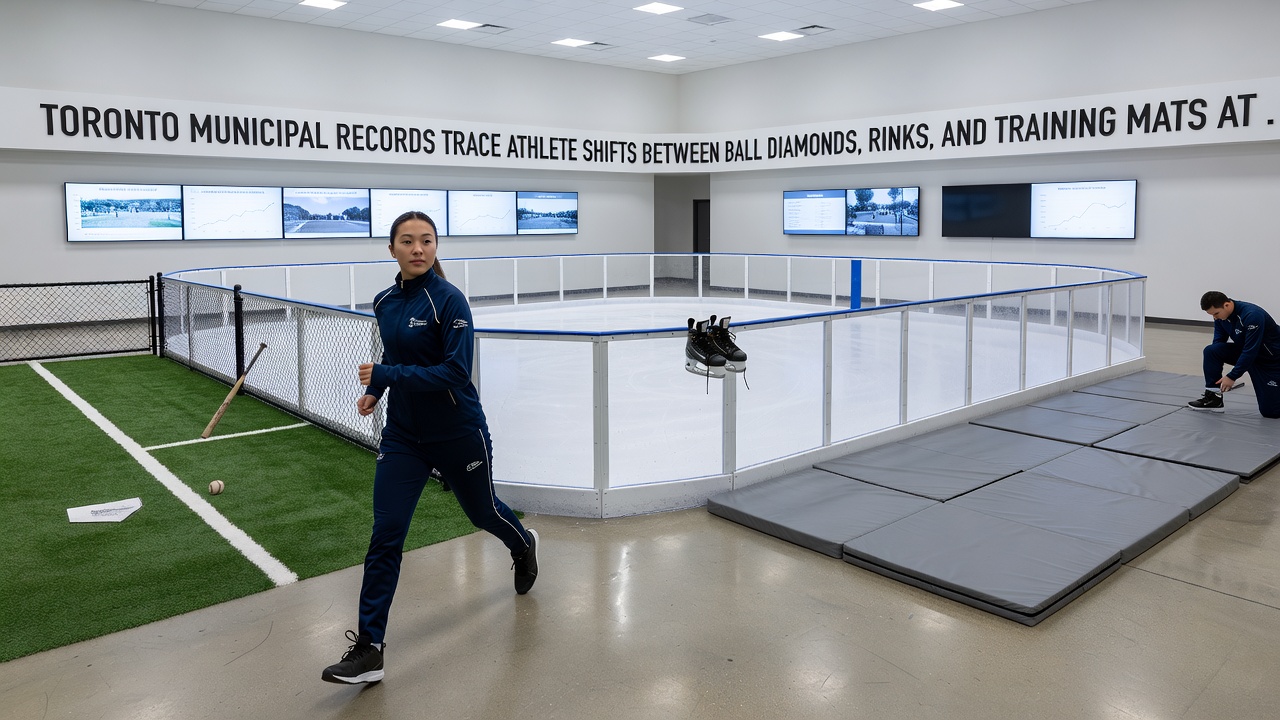
Program Structures Encourage Cross-Venue Participation
Recreation programs listed in municipal catalogs frequently combine access to ball diamonds for team drills, rinks for skating fundamentals, and training mats for conditioning work, with enrollment records indicating sustained involvement across these elements. City staff coordinate schedules so that youth and adult groups can move from one surface to another within a single facility complex, and logs show consistent attendance at these linked sessions. Records further document how seasonal adjustments, such as converting certain diamonds to additional training space during off-peak periods, support continued mat and rink use by the same participants.
Planning Implications from Usage Records
Municipal planners review aggregated data on venue shifts to inform decisions about facility upgrades and new constructions, with evidence from booking trends guiding allocations for diamonds, ice maintenance, and mat equipment at neighborhood sites. Reports prepared by city analysts highlight how integrated records help predict demand spikes, such as increased rink time following baseball season endings, while also identifying underutilized periods that could accommodate additional mat-based programs. This approach relies on comprehensive tracking that connects activity across ball diamonds, rinks, and training mats without isolating any single sport or venue type.
Conclusion
Toronto's municipal records provide a factual basis for understanding athlete movements between ball diamonds, rinks, and training mats at neighborhood sites, with permit logs and usage data offering clear documentation of these transitions. Continued updates through September 2026 and beyond will supply additional details on evolving patterns as digital systems refine their integration of multi-venue information. Planners and researchers draw from these sources to maintain coordinated access across facility types, supporting participation that spans seasonal and activity-based shifts at local locations.