Toronto's Volunteer Coach Networks Bridge Soccer Tactics with Golf Fundamentals at Neighborhood Rec Sites
Katja Simmons · Nov 13, 2026
Toronto's Volunteer Coach Networks Bridge Soccer Tactics with Golf Fundamentals at Neighborhood Rec Sites
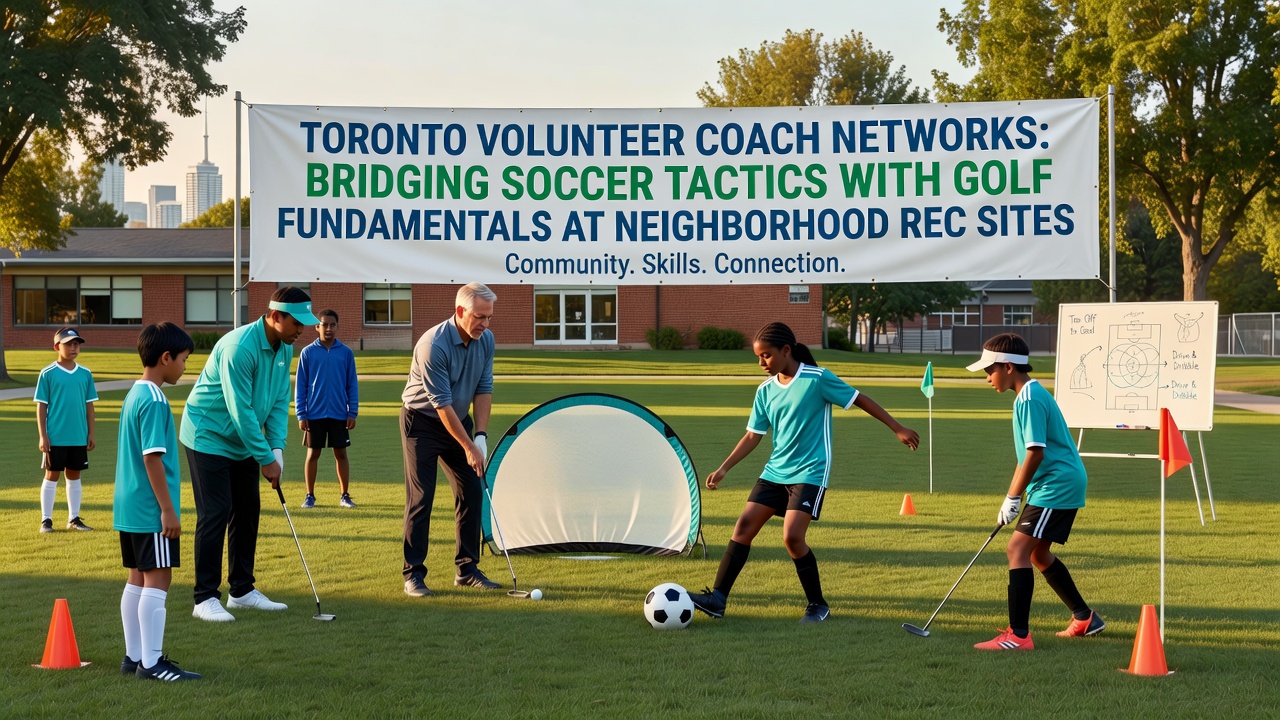
Volunteer coach networks across Toronto have developed structured programs that combine soccer tactics with golf fundamentals at neighborhood recreation sites, and municipal records from 2025 show consistent participation growth in these combined sessions at facilities like the East York Community Centre and the North Toronto Memorial Community Centre. These initiatives operate through coordinated volunteer efforts where coaches lead drills that emphasize spatial awareness from soccer alongside stance and alignment principles drawn from golf, creating sessions that run year-round with particular activity spikes during the fall transition into winter months.
Program Structure at Local Sites
Neighborhood recreation centers host weekly sessions where volunteer coaches divide groups into segments that alternate between modified soccer exercises and golf-based movement patterns, while data from the City of Toronto's Parks, Forestry and Recreation division indicates over 2,400 registered participants in similar multi-activity programs during the 2025 calendar year. Coaches typically begin with soccer passing sequences that require precise footwork and decision-making, then transition participants to putting or chipping stations that reinforce balance and controlled motion, and this rotation continues for the duration of each two-hour block. Records maintained by individual community centers document that sessions occur at more than 35 sites distributed across the city's six districts, with scheduling that accommodates both weekday evenings and weekend mornings to match varying availability of volunteers and participants.
Skill Integration Patterns Observed in 2026
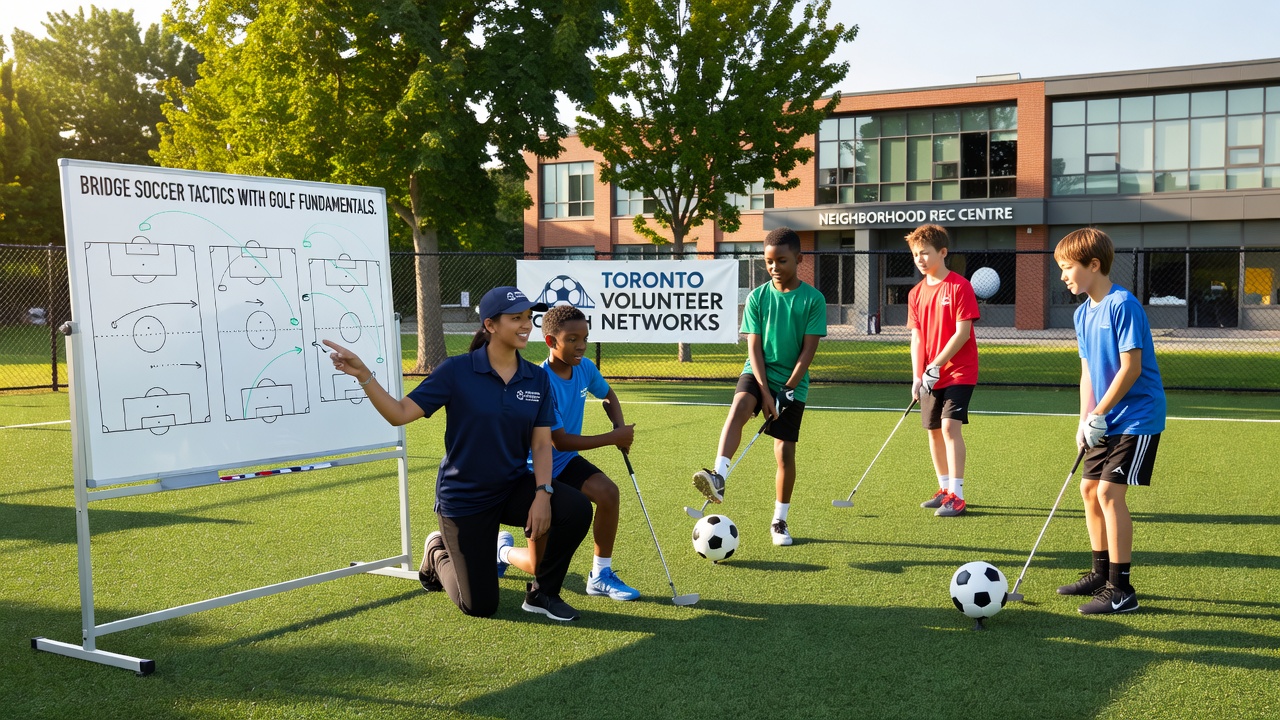
By November 2026, several networks had expanded their offerings to include indoor adaptations that allow the combined drills to continue regardless of weather, and participation logs from centers such as the West Humber Recreation Centre reveal that adult and youth groups maintain steady attendance through the colder months. Observers note that coaches map soccer defensive positioning directly onto golf course management concepts, so participants practice reading angles and anticipating movement in both contexts during the same session, while equipment remains minimal with cones, portable nets, and plastic clubs supplied by the centers themselves. Registration trends tracked through the city's online portal show that these hybrid sessions attract individuals already enrolled in standalone soccer or golf programs, creating measurable crossover that municipal analysts attribute to the convenience of single-location training.
Volunteer Coordination and Training
Volunteer coaches complete orientation modules provided through partnerships with local recreation boards, and these modules cover safety protocols plus basic integration methods for the two activities, according to program descriptions published on community center websites. Networks assign lead volunteers to specific sites based on proximity to their residences, which reduces travel barriers and supports consistent delivery across multiple locations, while quarterly meetings allow coaches to share adjustments that have worked well with particular age groups or skill levels. Figures from the Toronto Sport and Social Club network indicate that volunteer retention rates for these combined programs have remained stable since their introduction in 2023, with many participants later volunteering themselves after completing several seasons.
Facility Usage and Scheduling Data
Public facility booking systems record that combined soccer-golf sessions occupy gymnasiums and multipurpose rooms during periods when traditional single-sport bookings leave gaps, and this pattern appears in usage reports compiled by the city's recreation division. Centers in the Scarborough and Etobicoke districts show higher utilization rates for evening slots compared with downtown locations, yet overall capacity across all participating sites reached approximately 78 percent during peak fall months in 2025. Scheduling software used by the municipality automatically flags opportunities for volunteer-led hybrid activities when standard bookings fall below certain thresholds, which has contributed to broader adoption without requiring additional staff oversight.
Conclusion
Toronto's volunteer coach networks continue to operate the combined soccer and golf programs at neighborhood recreation sites through established coordination channels, and ongoing municipal records document their presence across dozens of facilities with participation that spans multiple seasons. The approach relies on existing volunteer structures and shared facility access rather than dedicated new infrastructure, allowing the sessions to persist as part of regular community programming.